
Spinal Decompression Therapy in Surrey, BC
What is spinal decompression therapy?Spinal decompression therapy is a structured, non-invasive treatment approach used in some chiropractic clinics to help reduce mechanical pressure on spinal joints and discs. In Surrey and Guildford, many patients explore decompression as part of a staged care plan that may include movement education, posture guidance, and monitored visit scheduling.
If you have been looking into spinal decompression therapy in Surrey, it helps to understand what the treatment involves, who may consider it, and how it may fit into a broader chiropractic care plan. Many people first hear about decompression when dealing with recurring back or neck discomfort that has not improved with simple activity changes, stretching, or rest.
What is spinal decompression therapy?
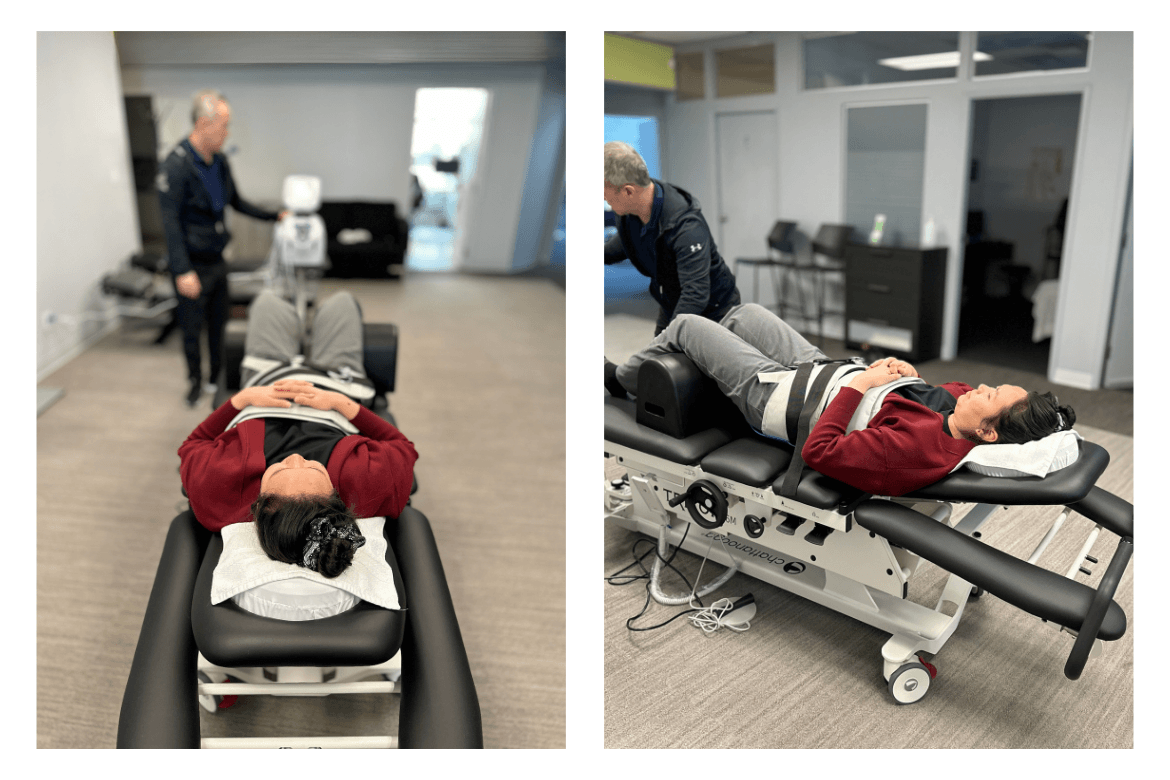
Spinal decompression therapy is a treatment approach delivered on a specialized table designed to gently change spinal positioning in a controlled and repeatable way. The goal is to create a structured unloading effect through certain areas of the spine while the patient remains supported and monitored throughout the session.
In many chiropractic settings, decompression is not treated as a stand-alone solution. Instead, it is often included as one part of a broader care plan that may also involve assessment, movement education, posture review, and home exercise guidance.
- It is non-invasive.
- It is usually delivered in a structured series of visits.
- It is commonly paired with reassessment and patient education.
Why do some people consider spinal decompression therapy?
People usually do not start by searching for decompression because they love treatment technology. They search because something in daily life keeps aggravating their back or neck and they want to better understand what their options are.
In Surrey, Guildford, Fleetwood, and across the Lower Mainland, that often includes people balancing long commutes, desk work, physically repetitive jobs, parenting demands, or active training schedules.
- Long periods of sitting at a desk
- Repetitive work demands or lifting habits
- Back or neck stiffness after commuting
- Recurring discomfort during exercise or recovery
- Ongoing spinal irritation that has not settled with simple self-management
Who is spinal decompression therapy for?Spinal decompression therapy is often explored by people with persistent back or neck discomfort, prolonged sitting habits, repetitive work demands, or activity-related spinal stress. In Surrey, some patients consider it when they want a structured, supervised care approach that can be combined with chiropractic assessment, movement guidance, and progressive care planning.
What happens during a spinal decompression assessment?
Before recommending spinal decompression therapy, a chiropractor will usually complete an assessment to better understand the patient’s symptoms, movement patterns, activity demands, and aggravating positions. That matters because not every person with back or neck discomfort needs the same style of care.
An assessment often helps clarify whether decompression makes sense as part of the care plan, or whether another strategy should be prioritized first.
A chiropractic assessment may include:
- Review of health history and symptom patterns
- Discussion of work demands, exercise habits, and commuting routines
- Posture and movement observation
- Assessment of aggravating positions or activities
- Discussion of previous treatment approaches or self-care strategies
Many patients find this part helpful because it puts their daily routine into context. A person who sits all day in front of a computer may need a different plan than someone working on their feet or returning to fitness training.
What does spinal decompression therapy feel like?
Most people want to know what the treatment actually feels like before booking an appointment. That is a reasonable question, especially when they have never seen a decompression table before.
Patients often describe the experience as a gentle pulling, lengthening, or unloading sensation through the spine. The movement is usually gradual rather than abrupt, and the settings are adjusted in a controlled way throughout the session.
- Some people notice a mild stretch-like feeling
- Some notice changing pressure through the back or neck
- Some simply describe it as feeling supported and unloaded
Comfort matters. In most clinics, patient feedback is part of the process, and settings may be adjusted based on how the session feels.
How is spinal decompression therapy usually structured?
Spinal decompression therapy is typically delivered as part of a structured care schedule rather than a one-time visit. The exact plan depends on the individual, but many clinics organize care in phases so they can monitor response and make changes when needed.
That structure often appeals to patients who prefer a clear plan instead of a trial-and-error approach.
A care plan may include:
- Scheduled decompression sessions over a set period of time
- Regular progress check-ins
- Changes to table settings based on comfort and response
- Posture or movement education
- Home exercises or mobility recommendations
Consistency is often emphasized because care is easier to evaluate when visits happen in a predictable sequence. Many clinics also use reassessment points to help determine whether the plan should continue, be modified, or shift toward exercise and self-management.
Want to find out whether spinal decompression may be appropriate for your situation? A chiropractic assessment can help determine which care options best match your symptoms, activity habits, work demands, and day-to-day movement patterns.
How does spinal decompression fit into a broader chiropractic care plan?
Many patients assume decompression therapy is the entire treatment plan, but that is not usually how clinics structure care. In practice, decompression is often one component within a broader strategy focused on improving how the person moves, works, sits, and manages physical stress.
That broader plan may include guidance around spinal loading, desk setup, walking, training modifications, and gradual return to regular activity. For patients in Surrey who spend long hours driving, working at a desk, or trying to stay active around busy schedules, this kind of practical guidance is often just as important as the in-clinic visit itself.
- Posture and workstation advice
- Movement and mobility education
- Activity modification during flare-ups
- Progressive strengthening or stabilization strategies
- Reassessment over time
Who may be curious about spinal decompression therapy?
Interest in decompression therapy tends to come from a wide range of adults, not one single type of patient. Some are office workers whose symptoms build gradually over time. Others are active adults who notice recurring irritation during workouts, recovery, or daily movement. Some simply want to understand what modern chiropractic treatment options look like before deciding what to do next.
People who are often curious about decompression include:
- Desk workers dealing with prolonged sitting
- Commuters spending long periods in the car
- Active adults balancing exercise and recovery
- People with recurring low back or neck discomfort
- Those looking for a structured, supervised treatment approach
We use the Chattanooga Triton 6m Traction Table at our Surrey Chiropractic office
Common questions about spinal decompression therapy
Is spinal decompression the same as traction?
Some clinics use these terms differently. In general, modern spinal decompression systems are designed to deliver controlled table movement in a structured way, often with settings that can be adjusted throughout care.
Is spinal decompression therapy painful?
Many patients describe it as a gradual stretch or unloading sensation rather than something painful. Comfort should be monitored, and treatment settings can often be adjusted based on feedback.
How many sessions are usually recommended?
That varies by clinic and by patient. Many clinics start with a structured care schedule and reassess over time rather than making assumptions based on a single visit.
Do I need imaging before spinal decompression therapy?
Not always. Whether imaging is needed depends on the person’s history, presentation, and assessment findings. A chiropractor can help determine whether further investigation is appropriate.
Can active people and gym-goers consider decompression?
Yes. Some active adults explore decompression therapy when trying to manage recurring spinal irritation while staying consistent with training, work, and daily responsibilities.
Does decompression therapy replace exercise or posture changes?
Usually not. In many settings, decompression is paired with movement guidance, activity modification, and education so that care reflects the patient’s daily habits and physical demands.
Key takeaways
- Spinal decompression therapy is a structured, non-invasive treatment option used in some chiropractic clinics.
- It is often considered by people dealing with recurring back or neck discomfort, prolonged sitting, repetitive physical demands, or activity-related spinal stress.
- A chiropractic assessment helps determine whether decompression fits the broader care plan.
- Many clinics combine decompression with posture guidance, movement education, and regular reassessment.
Spinal decompression therapy in Surrey, Guildford, and Fleetwood Impulse Health & Wellness provides chiropractic care for patients across Surrey, Guildford, Fleetwood, and surrounding Lower Mainland communities. Our clinic is conveniently located near Guildford Town Centre with ample free parking, which makes visits easier for patients balancing commuting, desk work, family schedules, and active lifestyle routines.
Have questions about spinal decompression therapy? If you are curious whether this treatment approach may fit your situation, the next step is to book a chiropractic assessment and discuss your symptoms, activity patterns, and goals with the clinic.